
Project
Overview
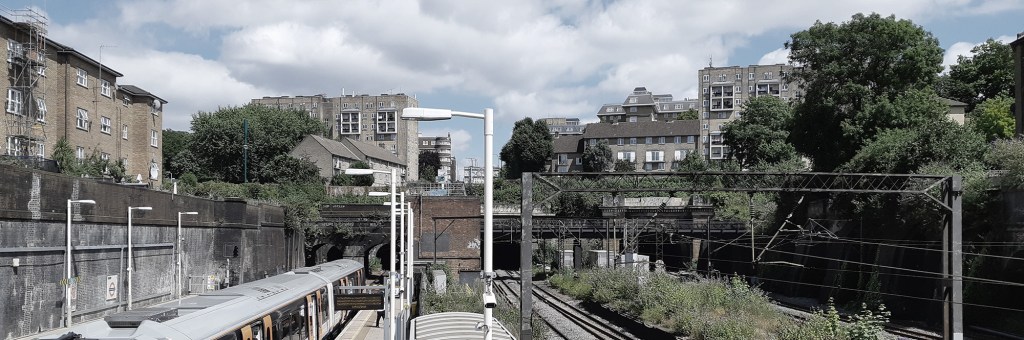
The three-year project, funded by the ESRC, looks at the social and political life of the city to test whether the utopian ideal of the Open City exists in real life, and explore issues of race, migration, mobility and living with diversity. It explores how the city accommodates new forms of urban life, through the social configuration of its spaces and places, and looks at the ways urban government at the city-wide and borough scales reflect, promote or limit the idea of the Open City.
The research focuses on London and explores the dynamics of London life at the city wide, borough and street / housing block level. At each of these three scales we conduct the research on four main strands:
- City histories – using archives we explore histories and patterns of welcoming of and hostility to ethnic, racial, and migratory politics in London.
- City movement – using data sets for population churn at various scales within London, we combine quantitative and qualitative data to understand patterns of mobility and what we call permeability at estate, neighbourhood and borough and city scales.
- City geographies – using maps and qualitative research we explore the ways that people’s geographical relationships influence, or not, their experiences of city life.
- City politics – using mixed methods we look at how practices and policies of urban government at the city-wide and borough scales reflect, promote or circumscribe the idea of the open city through campaigns and policies.
Aims
The concept of the Open City has been developed by architects, planners and theorists to describe a place of social integration, cultural diversity and collective identity, where different cultures and lifestyles co-exist and interaction leads to enrichment. It contrasts with urban spaces where commercial malls, gated communities and poor transport networks drive increased fragmentation and new diversities are characterised by dynamics of intolerance and antagonism.
The project investigates the assumption that the open city is the good city, or not, by examining the real lived experienced of the open and closed dimensions of city life.
Timescale
After being postponed due the pandemic, research work for the project began in April 2021. Data collection continued through April 2023, and academic and other publications have followed and are forthcoming. The project began wrap-up in November 2023. As the Open City project comes to a close, we will make new outputs available to download.
Team
John Solomos
Professor of Sociology, University of Warwick. Lead Principal Investigator focusing on the theme of ‘welcoming others’. Testing what the drivers are that have made the city more ‘closed’ and ‘open’ by unearthing new and established social histories of the city as a space of arrival, sanctuary, solidarity and mobilisation.
Karim Murji
Social Policy and Criminology, University of West London: Co-Investigator focusing on ‘claiming the city’. Testing the role of activisms and governance that carry an appeal to ‘openness’; examining political mobilisations and the range of activisms in response to populist exclusionary movements from anti-racist and migrant solidarity organisations.
Eda Yazici
Research Fellow, University of Warwick. Her previous research focused on everyday practices of belonging among people who have been made to move in the asylum system. She interested in how people relate to the city, build relationships and move through cities over time.
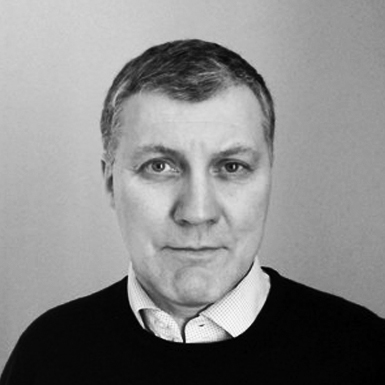
Michael Keith
COMPAS, Oxford University. Co-Investigator focusing on dwelling making. Testing co-existence in the contemporary city; addressing contemporary issues around housing in the narrow sense but also the ethics of hospitality and co-existence at different urban scales.

Steve Pile
Geography, The Open University. Co-Investigator focusing on ‘living with openness’. Testing the forms of multiculture that have in the past and might in the future sustain an open city.
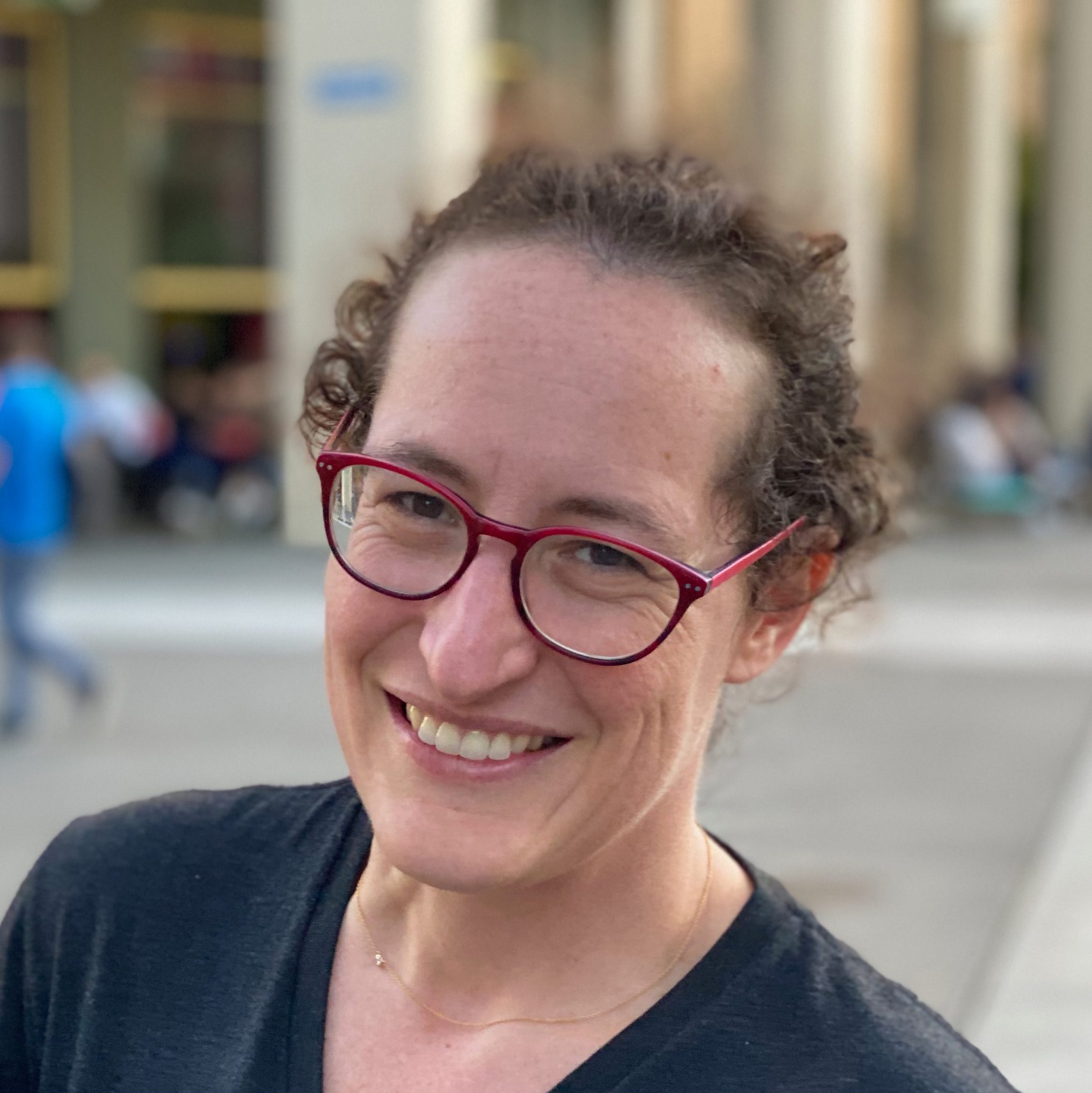
Susannah Cramer-Greenbaum
Research Fellow, University of Warwick. Her previous research focused on the effects of new housing construction on neighbourhood change. She is also a US licensed architect with experience leading participatory planning and design projects locally and internationally.
Project funding

Grant information
Open City is a three year project funded by the Economic and Social Research Council under grant reference: ES/T009454/1
 Open City Project