Below is a description of the research objectives for the Open City project. For academic articles in press, please follow the link here.
The Open City is a utopian ideal, one that is arguably under explored empirically. The Open City is incomplete, errant, conflictual, and non-linear. A closed city is full of metaphorical and literal boundaries and walls. This project explores these dimensions of city life by asking how the city can be both open and closed. The open and closed city is not seen as a dichotomy, but as a series of lived problematics, both social and political. The central research question asks: what are the limits of the open city? This prompts specific issues such as how open has the city been? How do people negotiate the open and closed aspects of their lives? What are the politics of living with others in the city?
To explore these questions, we look at the ways that the turbulent micro- and macro-politics of city life enable people to live together. The project explores older questions of social cohesion and newer questions of neighbourliness by considering the ways that people move back and forward between everyday civility or indifference to forms of hospitality and community as well as the everyday issues that make a difference to patterns of co-existence and dwelling in the city.
We focus on London because its constant change at a time of heightened pressures on public services and resources in housing, education, employment and the cost of living means that those who dwell there make different temporal and spatial claims over belonging to the city while also providing many everyday and structural sites of friction. This is arguably unique, yet London is comprised of ordinary places and ways of living, situated in unexceptional wider social and spatial arrangements, that enable wider lessons to be drawn.
The project looks at four key issues that we synthesise at different intersecting scales. These are:
- How the city enables or circumscribes practices of welcoming, generosity and solidarity over time
- How urban dwelling is shaped at a time of rapid social change
- How people navigate the variable geographies of settlement and mobility in their everyday lives
- How old and new social cleavages play out in the city and are managed by city government and other civic actors
Three scales
London
At the London scale, we explore: how people move through, make their lives in and move across the city. We do this by:
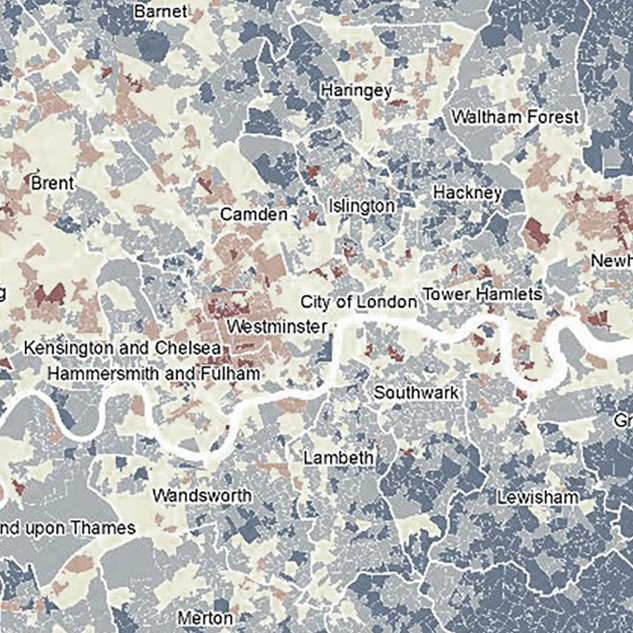
• Using new datasets to explore population churn in London
• Exploring the everyday mobilities of new arrivals in the city through participatory arts work
• Analysing GLA led campaigns that promote London as an Open City using interviews and social media analysis
• Conducting interviews with GLA Assembly Members to understand how they imagine and represent the open city
Camden
At the Camden scale we explore how histories of arrival, everyday acts of solidarity and welcoming have shaped the city. We do this by:
• Uncovering the archival histories of welcoming and arrival in and through Camden
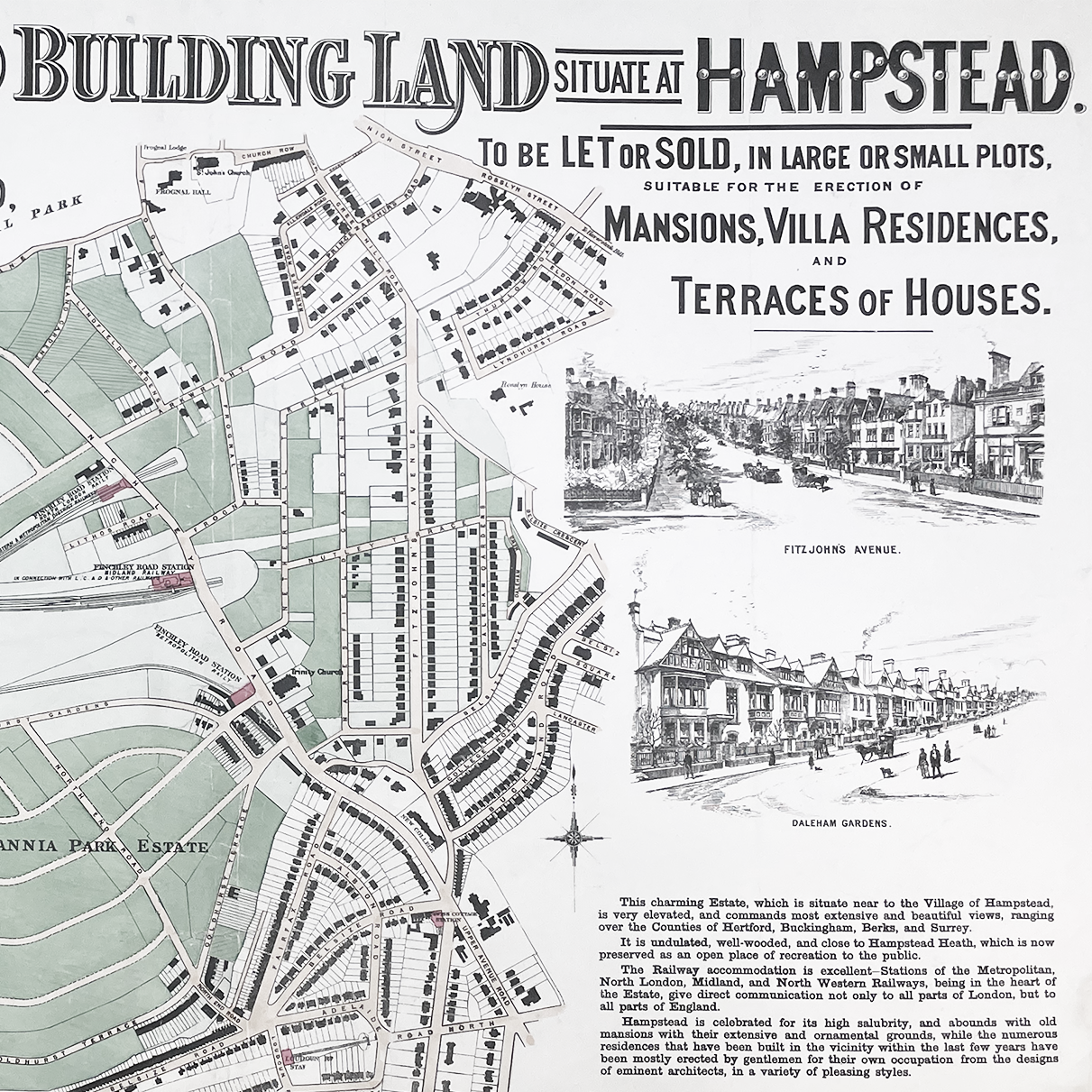
• Exploring how histories of landownership and infrastructure influence the architectures and the built environment that shape how we live through arts based work
• Conducting interviews with Camden councillors to understand how they imagine and represent the open city
Estates
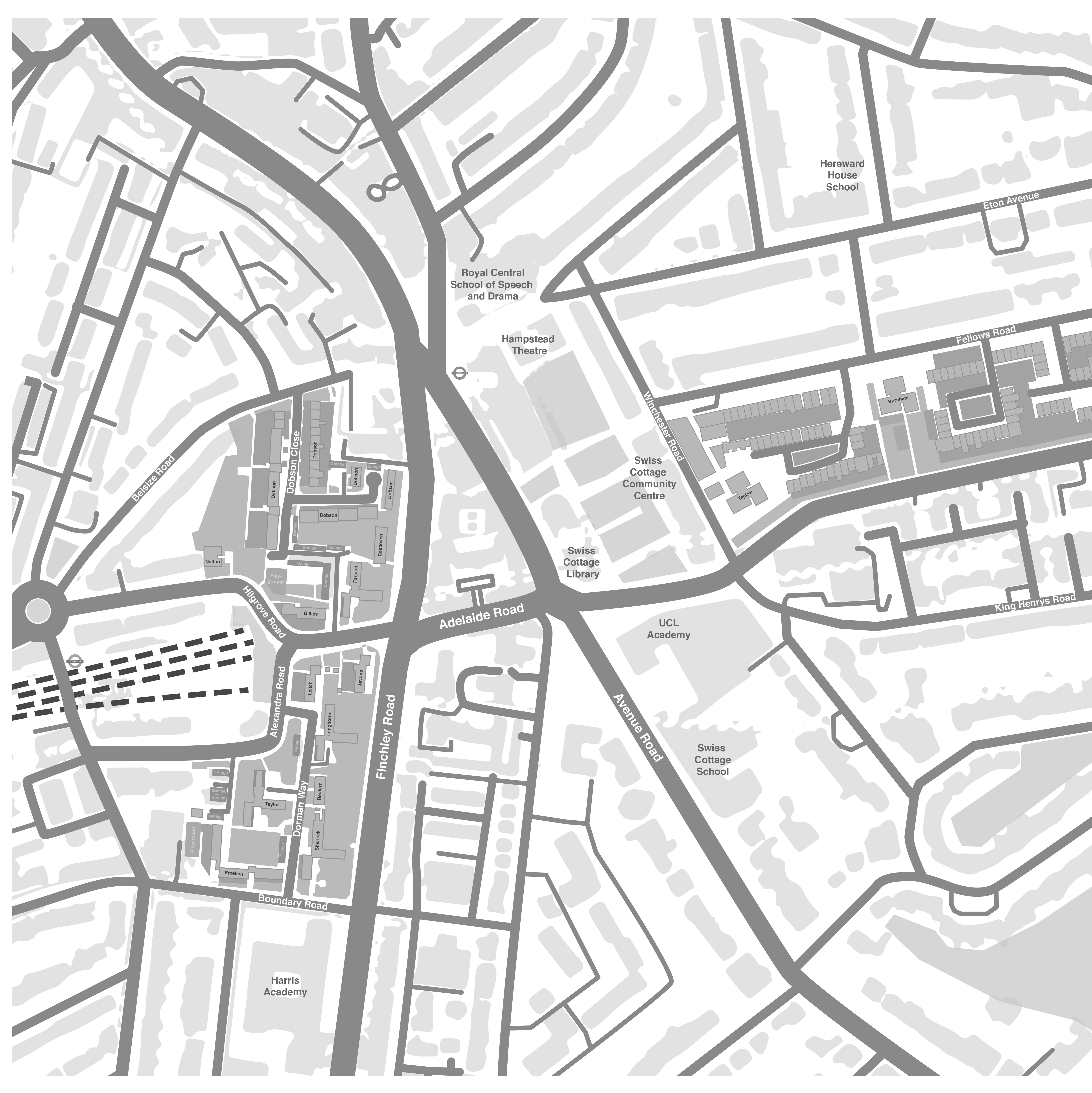
At the estate and block scale, how the micro-spaces of our everyday lives connect us to the wider world. We do this by:
• Exploring nano-churn at the estate scale using a survey
• Considering everyday neighbourly practices using a survey and ethnography of Hilgrove Estate
• Mapping subjective neighbourhood boundaries
• Exploring what is meant by inclusivity in public space through participatory arts
• Exploring everyday micro-conflicts in space and connections to spaces beyond using participatory mapping and ethnography
Making the Open City
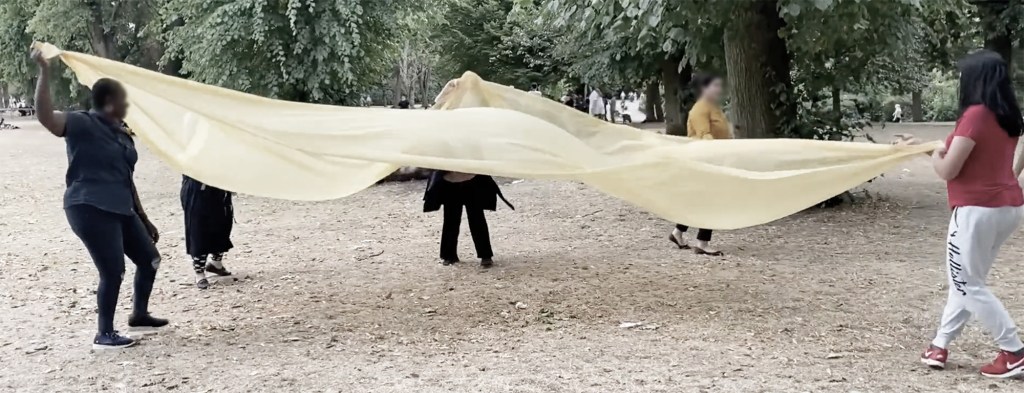
The project works with key stakeholders in London and elsewhere to ensure that the main findings of the research will feed into policy and political debates about cities and urban life. It will engage with the Migration Museum and Counterpoints Arts to develop accessible and stimulating cartographies of the city. A new book will synthesise the empirical findings of the project within fresh ways of conceptualising the open in the Open City.
 Open City Project